

A video-selector meeting chaired by Honorable
President Shavkat Mirziyoyev was held, dedicated to future priority tasks in the field of physical culture and sports.
“Sport is not just about competition; it is a lifestyle, discipline, patriotism, and a great force that manifests the prestige of the country,” the head of state noted.
It was highlighted that over the past nine years, 1,774 modern sports grounds have been built in more than 1,500 neighborhoods (mahallas). Additionally, over 200 large sports facilities and nearly 4,000 private sports clubs have commenced operations. The number of young people professionally engaged in sports has doubled, while the number of athletes in Olympic teams has increased twofold, and threefold for Paralympic teams.
In the past year alone, our athletes won 452 gold, 418 silver, and 501 bronze medals in international arenas, with more than 50 of them breaking World and Asian records.
According to new initiatives, sports productivity in neighborhoods will now be evaluated not only by participation coverage but also by the health levels of the population. A "health balance" system will be introduced, where the reduction of conditions such as cardiovascular diseases and diabetes will become one of the primary criteria.
Furthermore, a "Healthy Life Volunteers" corps will be formed from citizens actively involved in sports. They will promote a healthy lifestyle in neighborhoods and increase public interest in sports. The most exemplary neighborhoods will be incentivized and provided with sports equipment, while active volunteers and neighborhood chairpersons will be supported with material rewards.
The introduction of CrossFit training in schools and technical colleges as a modern and convenient sport was also a significant step. Since this sport does not require specialized equipment, it is expected to become highly popular and spread rapidly among the youth. Its future inclusion in the "Five Initiatives" system will further enhance its importance.
Additionally, a new cooperation system based on the "neighborhood – school – sports institution – federation" chain will be implemented to ensure seamless interaction between all levels. Three-way cooperation between universities, federations, and local authorities will be a key factor in developing sports.
Through the dual education system, students in sports-related fields will be involved in practical coaching activities. They will not only gain experience but also receive financial incentives. Providing graduates with coaching and refereeing certificates will open wide paths for their professional development.
Conclusion:
The video-selector meetings held under the leadership of our President are initiating a new era in the development of the sports sector. Through these reforms, sport is viewed not merely as a means of competition but as a guarantee of a healthy life. If the designated tasks are fully and qualitatively implemented on the ground, we will succeed in raising a healthy, physically strong, and spiritually mature generation in the near future. This will serve as a solid foundation for our country's development and future.
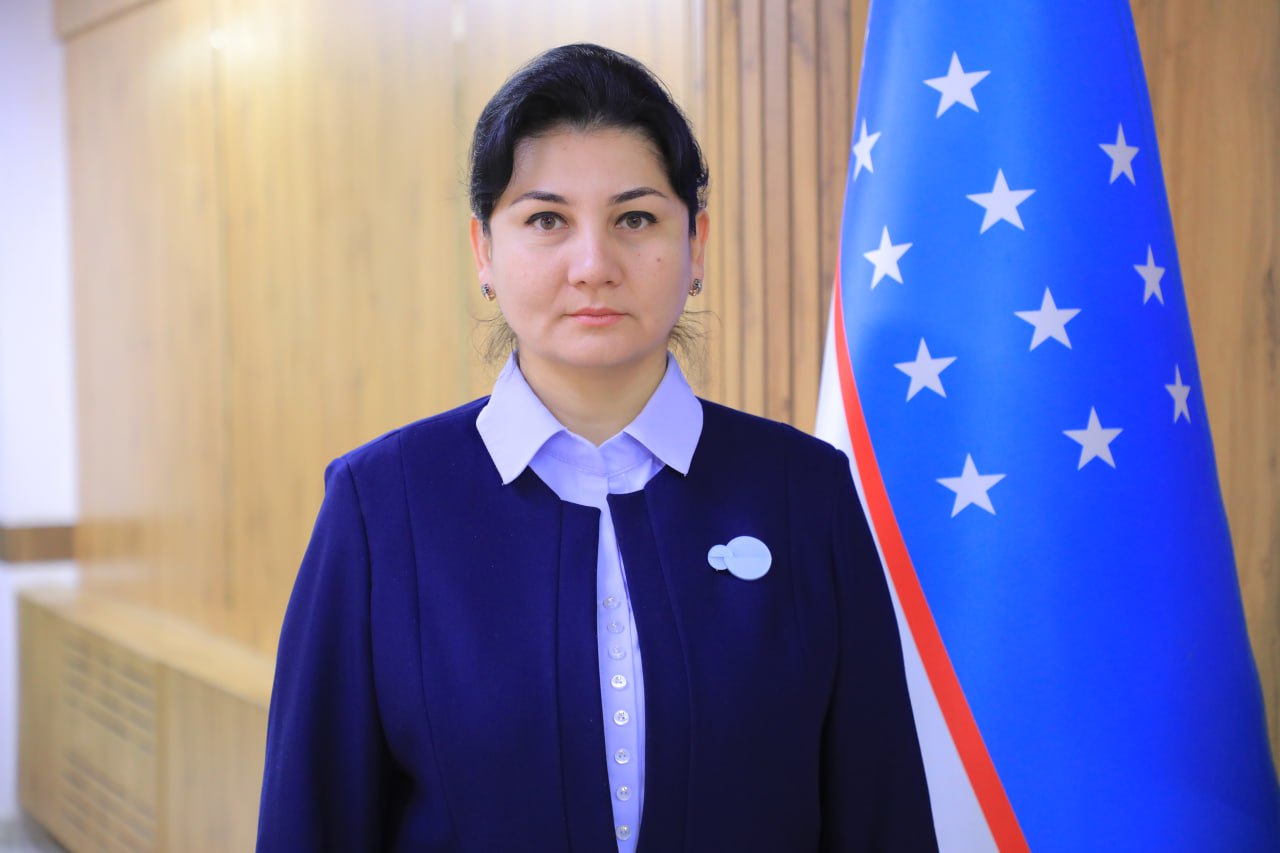
Vice-Rector for Youth Affairs and Spiritual-Educational Work
Malika Umedjanova Lukmanovna